Serving Edmonton & area

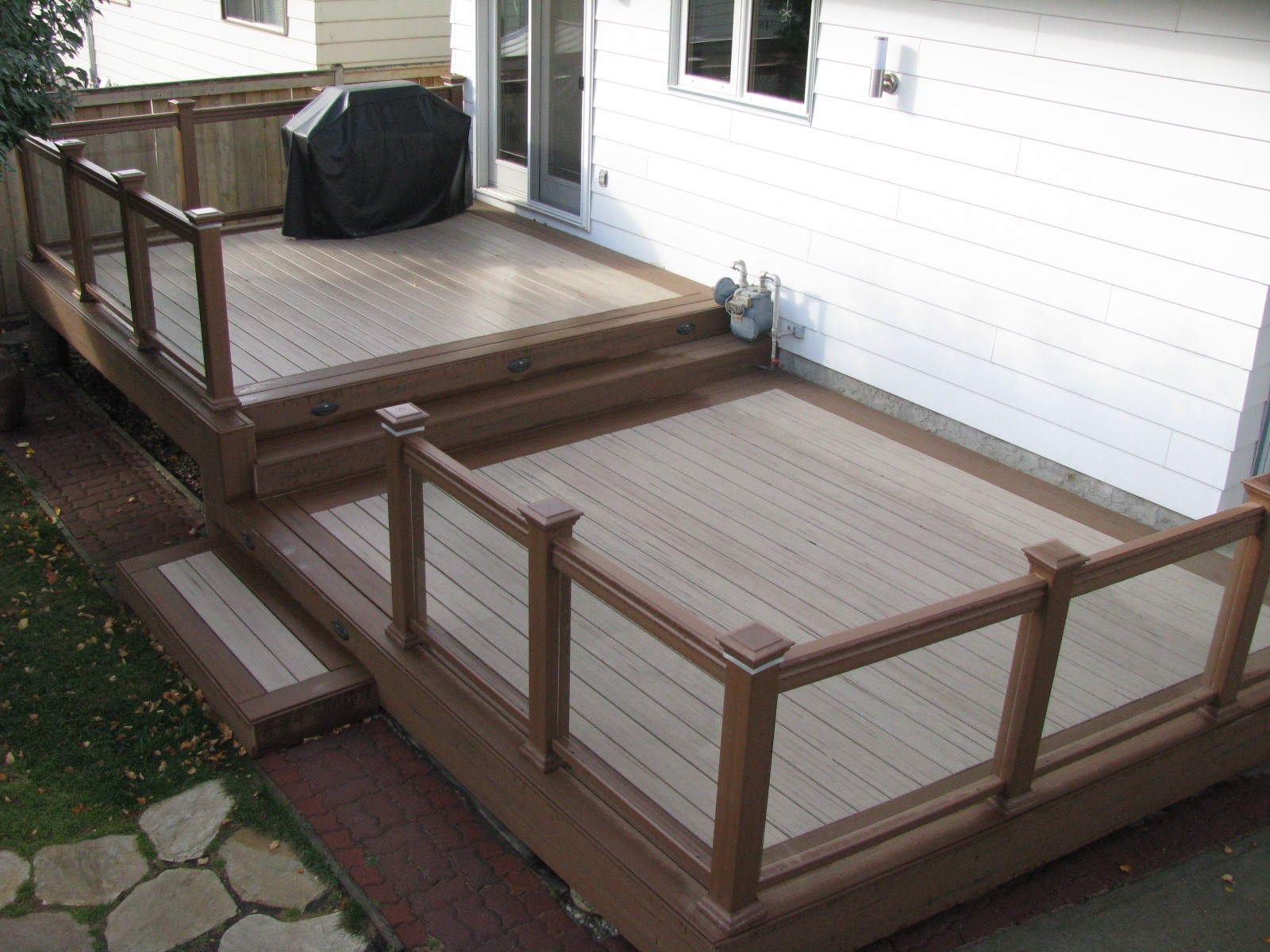
If you own a home in one of Edmonton's mature neighbourhoods, such as Glenora, Bonnie Doon, Highlands, or one of the many established communities scattered across the river valley, adding a deck is rarely as simple as it would be on a newer lot. Mature trees, older concrete, shifting grades, and permit rules that account for decades of neighbourhood growth all play a part. Working with an experienced residential deck builder in Edmonton means these factors get identified early, not discovered halfway through construction. Reach out to Decks of Distinction to talk through what your property might involve before you commit to a design.
New subdivisions are built on graded, uniform lots with predictable soil conditions and no existing structures to work around. Mature lots in Edmonton are a different story. Decades of landscaping, additions, tree growth, and freeze-thaw cycles have all shaped the yard in ways that aren't always visible from the surface. A backyard deck builder working on an older property needs to account for established trees, aging fences, mature gardens, and soil that has settled unevenly over the years. None of this makes a deck project impossible. It just means the site assessment carries more weight than it would on a brand-new build, and the builder needs to read the yard before drawing up any plans.
One of the first things a deck builder in Edmonton will look at on an older lot is the tree coverage. Large, established trees mean established root systems, and those roots often extend much farther than the canopy suggests. Footing placement has to work around root zones without damaging the tree or compromising the stability of the deck itself. In some cases, this means shifting the footprint of the deck slightly, adjusting footing depth, or spacing footings differently than a standard layout would call for. A tree that took thirty years to grow is worth protecting, and a builder who understands root behaviour will design around it rather than against it.
Older Edmonton yards often have grading that has shifted over time. Soil settles, previous owners add landscaping features, and drainage patterns change gradually without anyone noticing until water starts pooling somewhere it shouldn't. Before any deck goes in, a proper assessment looks at how water moves across the yard and where it needs to go. This matters even more on mature lots, since older municipal drainage infrastructure and established landscaping can interact in ways a newer property simply doesn't have to deal with. Getting this right at the planning stage prevents pooling water, ice buildup near the deck structure, and moisture issues that show up years down the road.
Many mature Edmonton neighbourhoods include alley-facing lots, and these come with their own set of permit considerations. Setback requirements can differ depending on whether the deck faces the alley or the front of the property, and older lots sometimes have configurations that don't match current zoning maps exactly. Deck contractors in Edmonton who regularly work in established communities know to check these details early, rather than assuming a standard setback applies. A permit delay caused by an overlooked zoning detail is frustrating and avoidable. Confirming lot lines, setback distances, and alley access before submitting for a permit keeps the whole project on schedule.
If your home was built decades ago, there's a good chance your Real Property Report is outdated or doesn't reflect changes made to the property since it was last surveyed. Adding a deck typically requires an updated RPR, and older properties are more likely to need one simply because more time has passed since the last survey. This isn't unique to any one homeowner. It's a normal part of the process for mature properties across Edmonton, and a builder who flags this early saves you from a scramble later. Sorting out the RPR situation before construction begins keeps the permit process moving without unexpected delays.
Many older properties already have some kind of existing structure in the yard, whether that's an old concrete pad, previous deck footings, or a patio that's seen better days. Part of a thorough site assessment involves figuring out what's actually still usable. Old footings might be structurally sound and worth incorporating into the new design, or they might need to be removed entirely if they don't meet current standards. Reusing solid existing concrete where it makes sense can reduce both cost and construction time, but it takes an experienced eye to tell the difference between something worth keeping and something that needs to go.
Building a deck on a mature Edmonton lot comes with more variables than a newer build, but none of them need to slow the project down when they're identified upfront. Tree roots, grading, permit rules, RPR requirements, and existing concrete all factor into a solid plan, and a builder who knows what to look for on an established property can work through each of these steps efficiently. The result is a deck that fits the character of your home and holds up against everything an older Edmonton lot can throw at it. Give Decks of Distinction a call to get your site assessment booked and find out what your backyard has in store.